During this period, citizens and middle-class foreign workers increasingly retreated into air-conditioned interiors to escape scorching outdoor temperatures, and embraced 0°C leisure, which has expanded to all major cities. The first 0°C wave took the form of ice-skating rinks, which proliferated across the region. “My parents used to take me to Zayed Sports City at least once a month to learn to ice skate. Today, my wife and I still go regularly. We are not the only ones! Ice skating is very popular with young people. It is a place where they get together to socialise,” said David De Silva, a Sri Lankan who lives in Abu Dhabi, where he grew up.
The commodification of temporary escapes from outdoor heat later extended to a wider range of options. Ski Dubai, launched by Emirati shopping mall operator Majid Al Futtaim in 2005, attracted 11 millionEmirates News Agency – Ski Dubai wins ‘World’s Best Indoor Ski Resort’ for fifth consecutive year, 2020 visitors during its first 15 years of operation. The indoor venue “fostered a winter sports culture” in the United Arab Emirates, state news agency WAM rejoiced. Demand is also fuelled by flows of tourists to Dubai, 12%Dubai Department of Economy & Tourism – Annual Visitor Report, 2022 of whom reportedly visit the park.
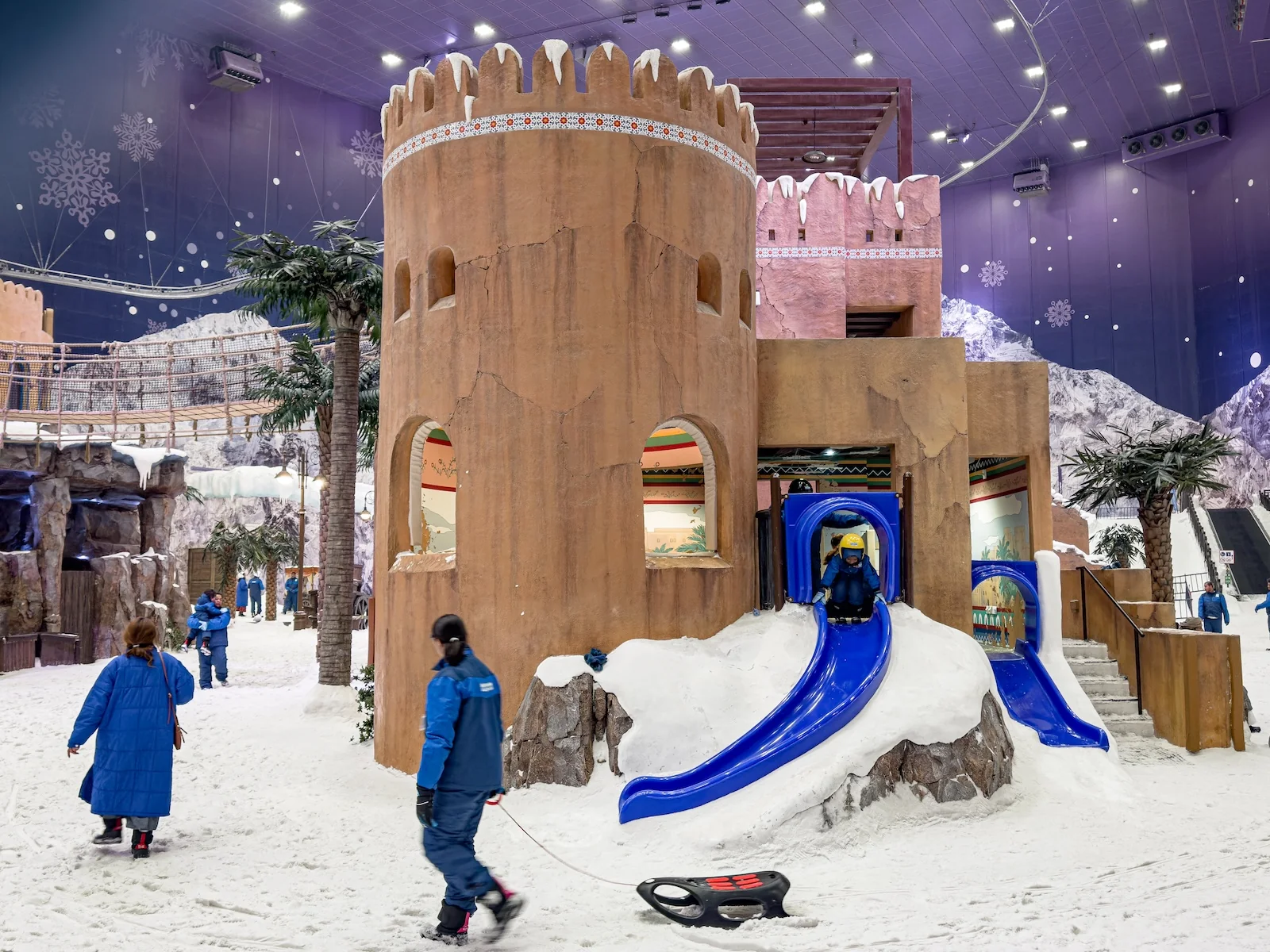
Majid Al Futtaim launched the Middle East’s largest indoor snow park in Muscat in 2023Majid Al Futtaim – Majid Al Futtaim Entertainment inaugurates Snow Oman, 2023. “Imagine waking up to find Muscat covered in shimmering white snow! Explore ships frozen in time, go sledding down frozen sand dunes, and discover an exciting world of fun in icy cold temperatures,” Snow Oman boastsSki Dubai – Snow Oman on its website. “In the summer, you cannot do any outdoor activities in Oman. It is too hot, so the best place to go is to the snow! It is a unique experience. And there is no time limit. Once you are in, you can stay all day if you like. If you can stand the freezing cold, of course,” said Hamna Arif, a Pakistani who lives in Oman with her husband and their two kids, and has visited Snow Oman five times.
Efficient refrigerators
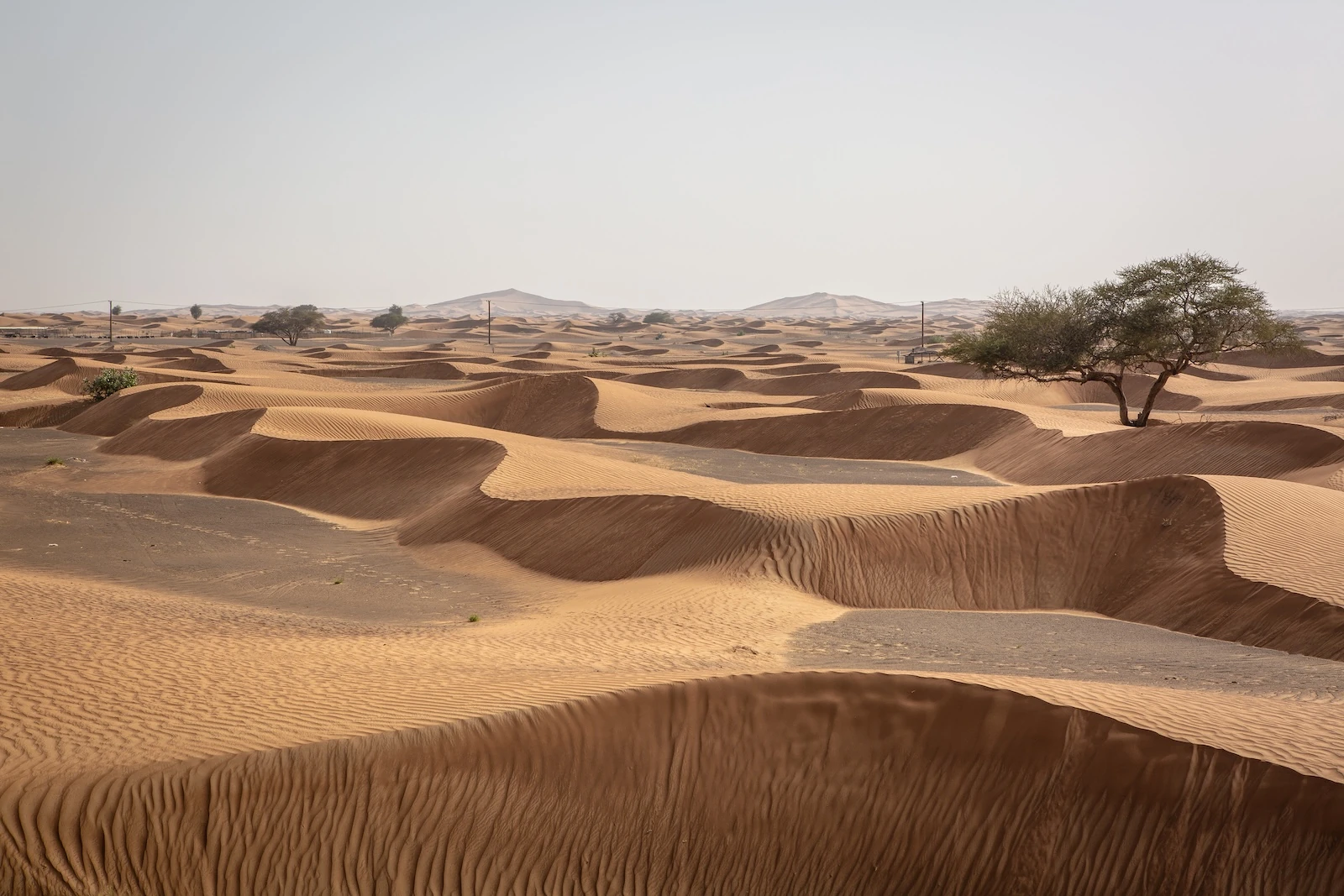
Demand for artificial cold is likely to intensify over the course of the 21st century. The United Nations’ body assessing climate change science projects that temperatures in the Arabian Peninsula will rise by between 2.5°C and 6.3°CIntergovernmental Panel on Climate Change – WGI Interactive Atlas above 1850–1900 pre-industrial levels by 2100. The region bears partial responsibility for this warming trend. It is a major enabler of global climate change through its daily export of 11.5 millionOrganisation of the Petroleum Exporting Countries – Annual Statistical Bulletin, 2022 barrels of oil. The combustion of fossil fuels, along with other human activities, have “unequivocally”Intergovernmental Panel on Climate Change – Climate Change Synthesis Report, 2023 caused global warming, according to the Intergovernmental Panel on Climate Change.
“The first time we went to Snow Oman was on a weekend, it was very crowded. Just to pick up accessories, winter clothes, gloves and so on, we had to wait in line for half an hour! Now we go on weekdays; we just cannot bear the weekend crowds,” Arif recalled. The cold breeze that attracts visitors depends on electricity generated largely from fossil fuels. While the Arabian Peninsula’s solar potential ranks among the world’s greatestWorld Bank – Global photovoltaic power potential by country, 2020 per square kilometre, oil and gas-fired power plants dominate electricity generation. Saudi Arabia ranks among the 20 countriesOur World in Data – Lifecycle carbon intensity of electricity, 2026 with the highest emissions of Earth-warming gases per kilowatt-hour generated.
“When heading there, you think this is nuts, that they must use so much electricity to keep it so cold. But once you are in it, you kind of forget about it, because the experience outweighs such thinking,” De Silva reflected. Ski Dubai’s Chief Executive, Phil Taylor, arguedAlfa Laval – Skiing in the desert, 2025 that the facility’s system is “incredibly energy efficient”. According to one of its suppliers, Alfa Laval, Ski Dubai can be described as “one of the most efficient – and largest – refrigerators in the world”. The facility reportedly consumes less energy than a typical 120-roomArabian Business – Ski Dubai ‘uses less energy than a 120-room hotel’, 2018 hotel.
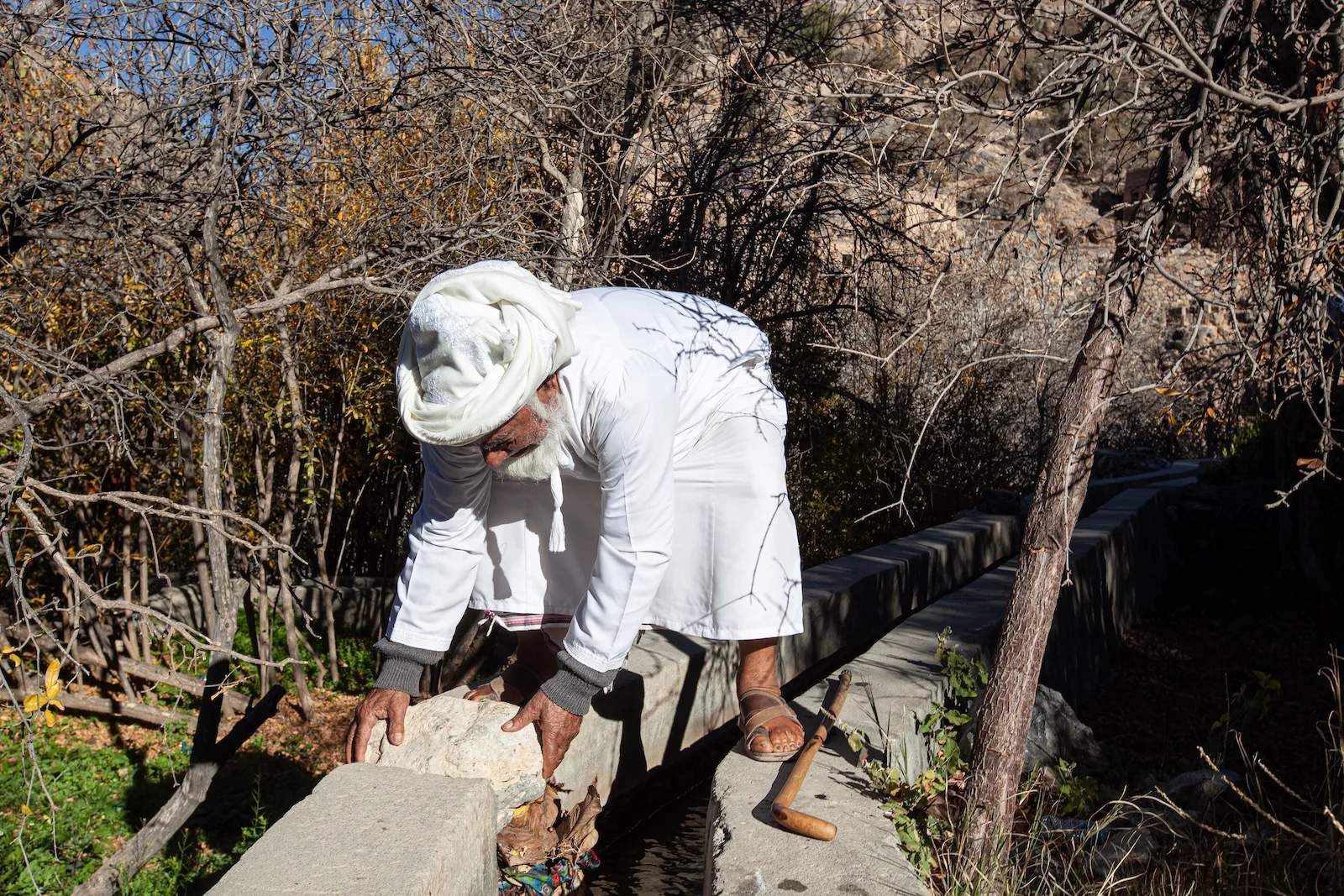
Artificial cold also carries a large water footprint. Each day, the temperature at Ski Dubai is lowered by six to seven degrees Celsius at night to produce 30 to 40 tonnes of snow from fresh water, Alfa Laval reportedAlfa Laval – Skiing in the desert, 2025. The newly produced snow replaces a similar quantity removed each day to maintain the park’s 6,000-tonne snow cover. The discarded snow is then reused twice, first in the mall’s air-conditioning system and later for landscape irrigation.
The water requirements of artificial snow production contrast sharply with the severeUnited Nations Children’s Fund – Water Scarcity and Climate Change Enabling Environment Analysis for WASH, 2023 water stress that characterises the Arabian Peninsula. The region meets its water needs by tapping into groundwater resources at an alarmingUnited Nations Economic and Social Commission for Western Asia – Water Development Report, 2024 rate, and by desalinating seawater in plants that run on the very same fossil fuels that accelerate climate change and push global temperatures higher.
Arabian influences
The pursuit of artificial 0°C conditions extended beyond indoor facilities in 2022Neom – HRH Prince Mohammed bin Salman announces the establishment of Trojena, 2022 when Saudi Arabia, home to a snow park since 2016Arab News – SR100m snow city in Riyadh, 2016 in Riyadh, announced plans to use “technology and engineering” to build the region’s first outdoor ski resort. The project was expected to hostOlympic Council of Asia – OCA awards Asian Winter Games 2029 to Saudi Arabia, 2022 the 2029 Asian Winter Games on 36 kilometresSkiresort.info – Ski resort Trojena of ski slopes in the mountain range bordering the northeastern arm of the Red Sea. The kingdom’s Crown Prince, Mohammad Bin Salman Al-Saud, said Trojena is “part of the global effort to protect the environment”.
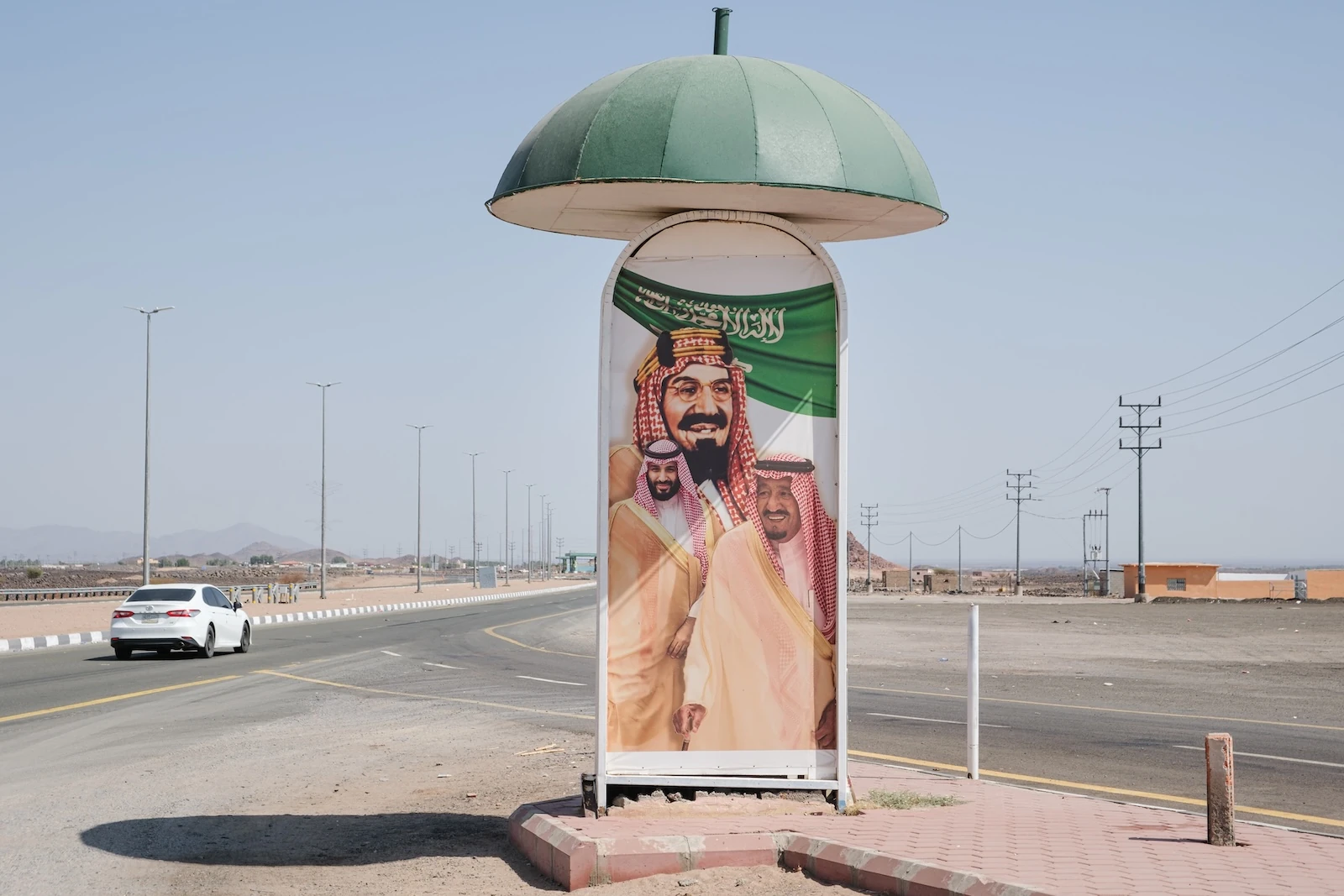
The mountainous area does experience subfreezing temperatures, but snowfall has been recorded on only two daysEnvironmental Research Communications – Impact of climate change on snow supply in Trojena, 2025 per year on average between 2000 and 2022. Trojena was therefore expected to rely almost entirely on artificial snow, requiring the consumption of 275,000 m³ of water annually to sustain its claimNeom – HRH Prince Mohammed bin Salman announces the establishment of Trojena, 2022 of offering an “experience never before witnessed in the region”. In 2026, Saudi Arabia canceledThe Wall Street Journal – Saudi Arabia Halts Yearslong Effort to Bring Skiing to the Desert, 2026 two major construction contracts at Trojena, likely shelving plans to introduce outdoor skiing in the Arabian Peninsula, at least for now.
Although Saudi Arabia’s attempt to transcend the environmental limits of its climate failed, the oil-rich region’s lifestyles have successfully spread across South Asia through migration corridors linking the two regions. “We have a snow park in Pakistan too. It is not as big as Snow Oman, but it is also very cold inside,” Arif said. Pakistan’s first indoor snow park launched in 2023The Nation – Pakistan’s first-ever indoor snow park launched in Lahore, 2023, Winterland, offersWinter World – About us to “experience winter like never before at -10°C!”.
In the South Indian state of Kerala, remittances sent home by those who migrated to the Arabian Peninsula to access jobs in oil-fuelled economies have shaped daily life in recent decades through increased purchasing power. Households receiving remittances spend 40%International Institute of Migration and Development – Kerala Migration Survey, 2023 more than the average, including on entertainment, often incorporating consumption habits first encountered abroad.
While on leave in his hometown of Kerala, Said Valiyamadayi, who works in the gas industry in Qatar, visited Snow FantasySnow Fantasy in Kozhikode with his wife and friends for an evening out. “We have a snow park in Qatar, so when we got to know through Instagram that it has opened in Kerala too, we decided to come and enjoy,” he said, adding indoor snow is a “new concept” in the Indian state, inspired by lifestyles in the Arabian Peninsula. He believes there will be more snow parks in Kerala as people seek to “cool off” amid global warming.
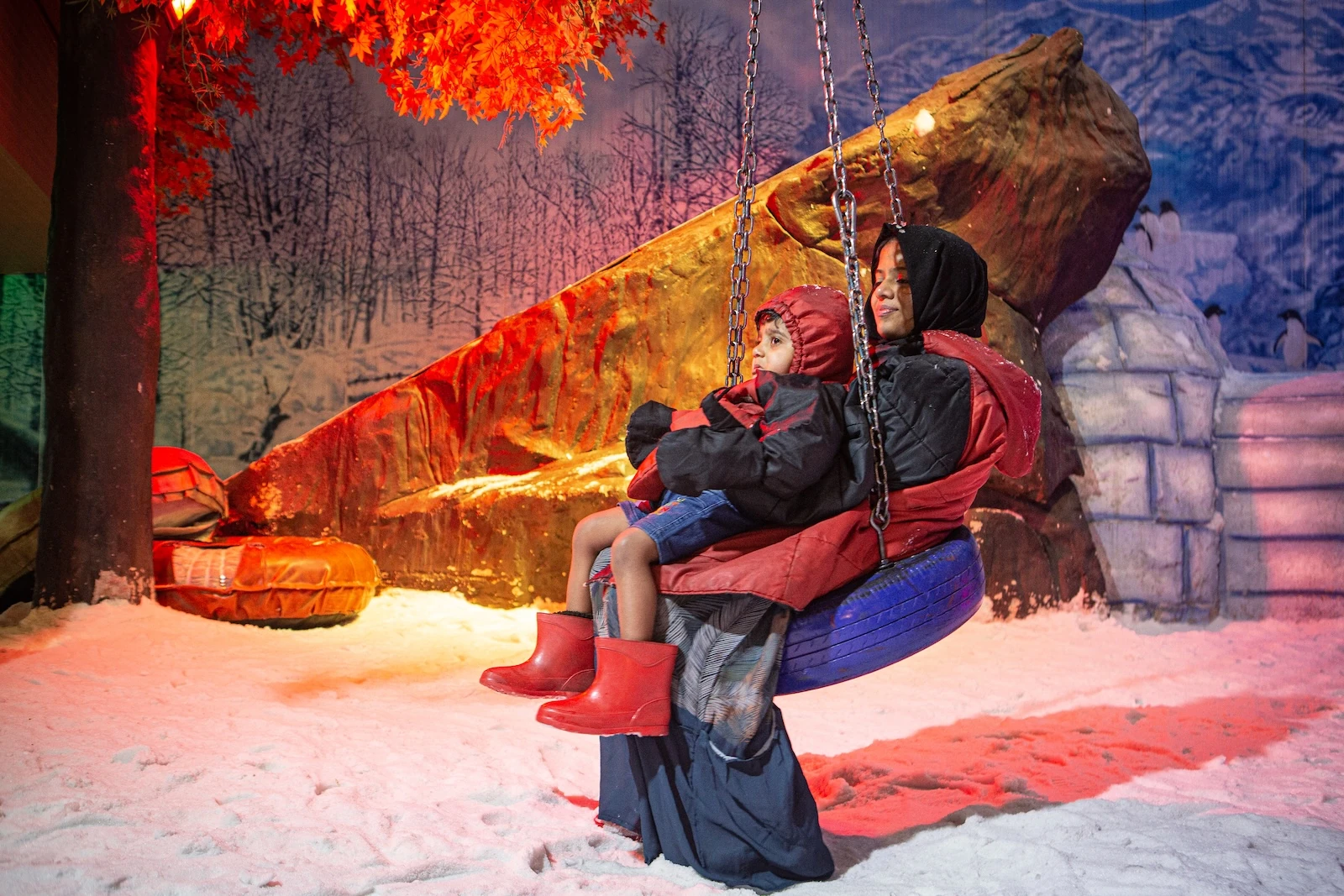
Like Valiyamadayi, nearly 10 millionMinistry of External Affairs of India – Population of Overseas Indians, 2026 Indians work in the Arabian Peninsula, a demographic courted by the entertainment industry as it seeks to expand demand for sub-zero leisure across South Asia. “The Global South has started to develop. It now offers entertainment, and we start enjoying the fruits of our labour. But the environment is reminding us that if we do not act now to stop climate change, there might not be a tomorrow for our kids and their grandkids. It feels like an irony: We now have snow parks, but we destroy the Earth as we do so,” De Silva said.
A world away
Despite the long-term environmental externalities they generate for society as a whole, West Asian 0°C playgrounds serve only a narrow segment of the population. Entry passes to Snow Oman and Ski Dubai start at OMR13.5Ski Dubai – Snow Oman Passes, 2026 ($35) and AED249Ski Dubai – Snow Park Passes & Packages, 2026 ($68) respectively, a cost beyond the means of millions of low-income foreign workers, who have become the Arabian Peninsula’s largest demographic group in recent decades. Many work outdoors as construction workers, cleaners, security guards, delivery drivers and gardeners, among others, placing them at heightened risk of life-threatening heat exposure.
Hassan Ahmad, a Sudanese shepherd, has been living for four years without air conditioning in a remote desert area in Kuwait. Despite enduring living conditions close to the limits of human survival in summer as the temperature often soars past 50°C, he has little choice but to remain with the herd of 200 sheep under his care, and cope with chronic heat stress. His Kuwaiti employer does not grant him any day off. “I do not have air conditioning in my mobile home. My Kuwaiti boss brought me an air freshener, but it does not work,” he said.
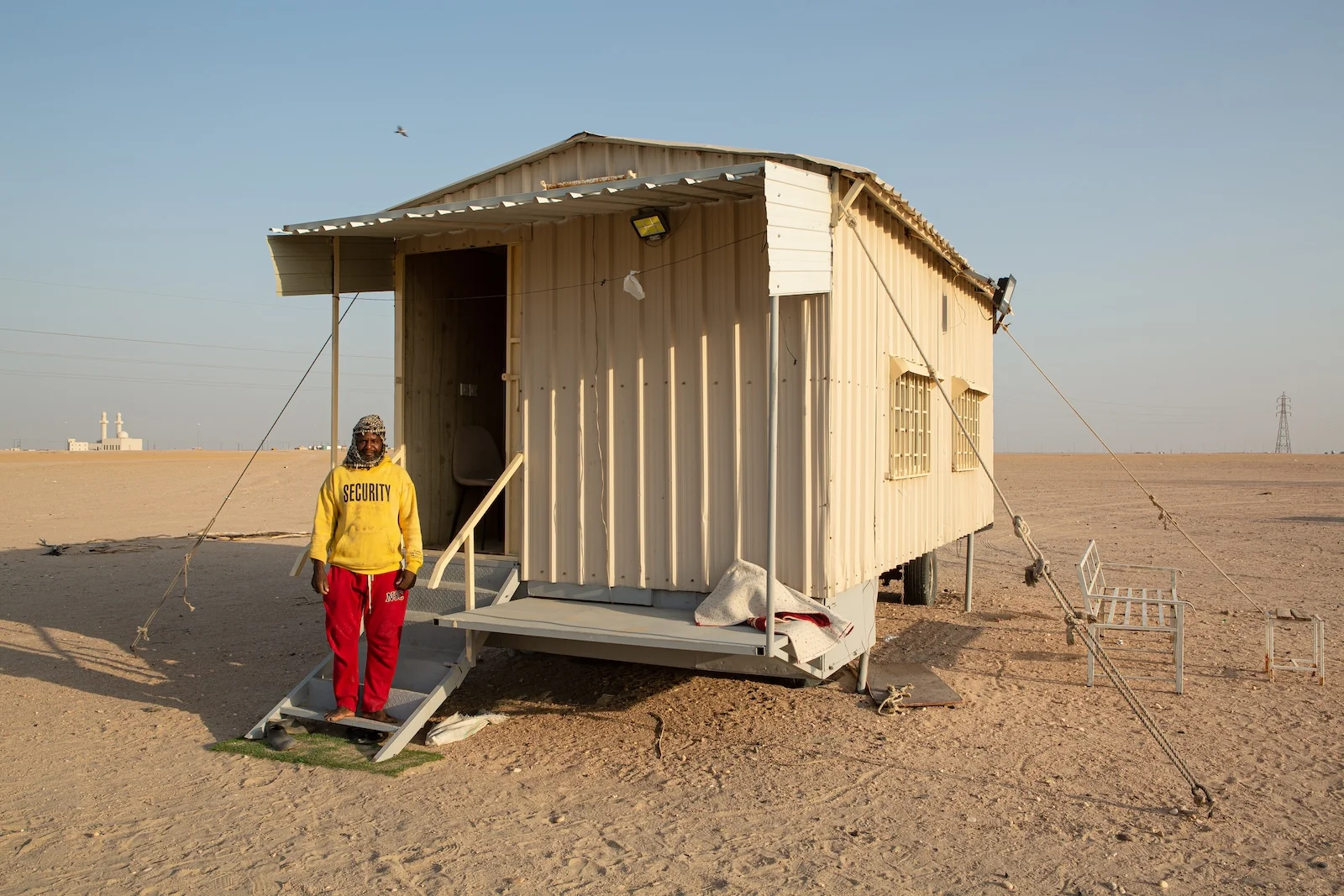
For him, 0°C leisure is a mirage, existing only on the other side of a social divide. In a warming climate, the burden of associated health risksInternational Labour Organisation – Climate change creates a ‘cocktail’ of serious health hazards for 70 per cent of the world’s workers, 2024 – including cardiovascular disease, heat stress, kidney disease, exhaustion and heat rash – falls unevenly across society, turning heat exposure into one of the most visible expressions of wealth inequality. Income inequality in West Asian countries, such as Kuwait and Saudi Arabia, particularly between citizens and foreign workers, exceedsWorld Inequality Database – Top 10% national income share, 2024 levels recorded in Ahmad’s home country, war-torn Sudan.
Restrictions on freedom of expression and labour unions in the region leave migrant workers with limited venues to question their vulnerability to heat. A world away from Ahmad’s daily existence, the show goes on, with Snow Oman featuring a colony of Antarctic penguins. “As soon as the door opened, I remembered my childhood because my parents’ house is in the north of Tehran, which has snow,” recalled Sahar Derakhshani, an Iranian who lives in Muscat. The 0°C leisure industry is the visible edge of societies across the Arabian Peninsula that have grown increasingly detached from the ecosystems they inhabit. Derakhshani suggested bringing in more Arctic animals to Snow Oman, such as “seals or polar bears.”