Industry

As globalised supply chains linked consumers to far-flung manufacturers, East Asia positioned itself as the world’s largest factory floor, producing electronics, motor vehicles, textiles, machinery, metals and others. This geographical disconnect, which separated Western shoppers from the environmental impacts of their purchases, externalised the ecological toll onto Asia. The region accounts for over three-quartersUnited Nations Industrial Development Organization – International Yearbook of Industrial Statistics, 2025 of global carbon dioxide (CO2) emissions from industrial activity. Yet, with Asia emerging as the world’s largest consumer market, the deferred ecological cost of industrial production is evolving into an intra-Asia issue.

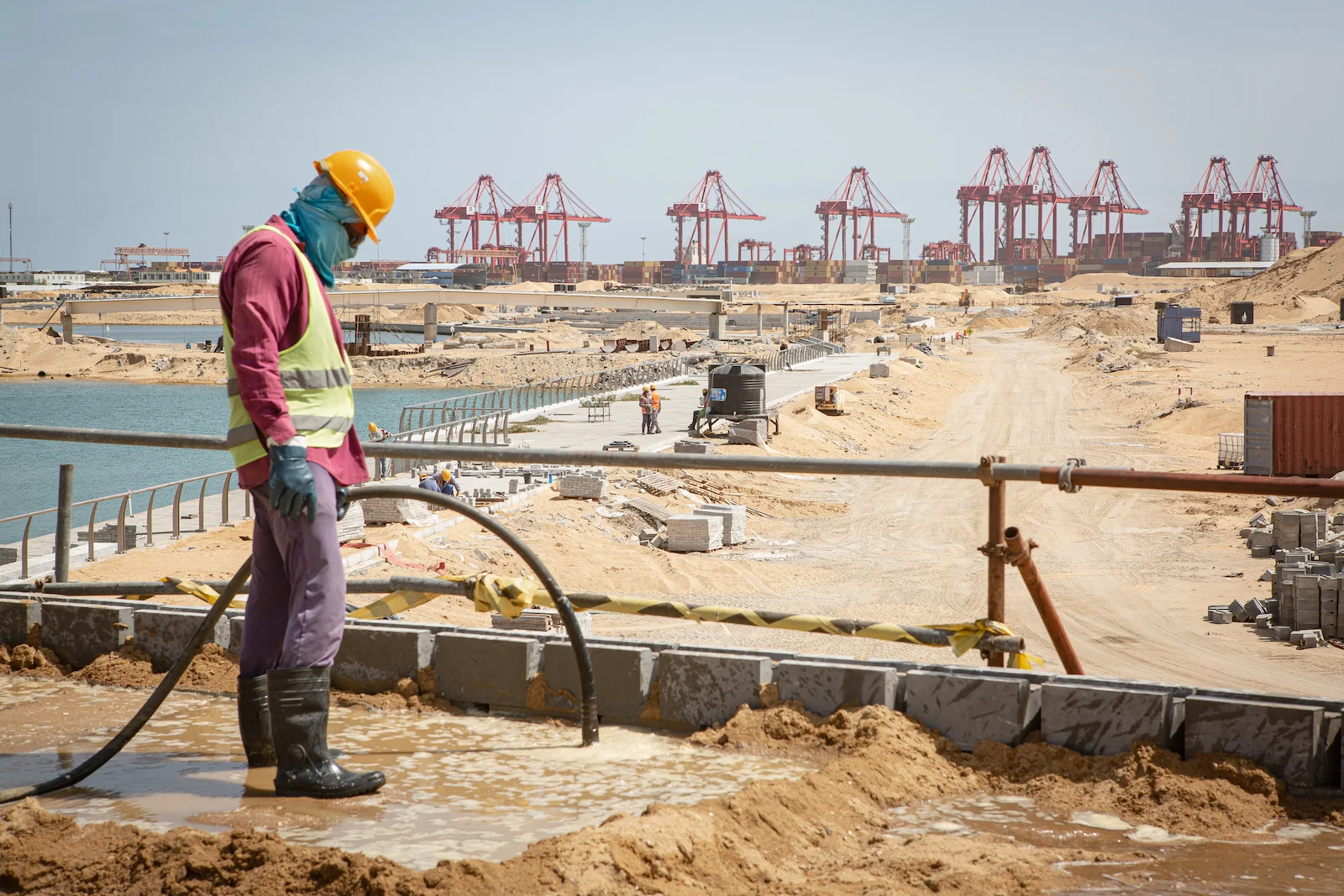
A worker at the construction site of Port City Colombo, a node in China’s global trade infrastructure network.

📷 A worker at the construction site of Port City Colombo, a node in China’s global trade infrastructure network. © Sebastian Castelier

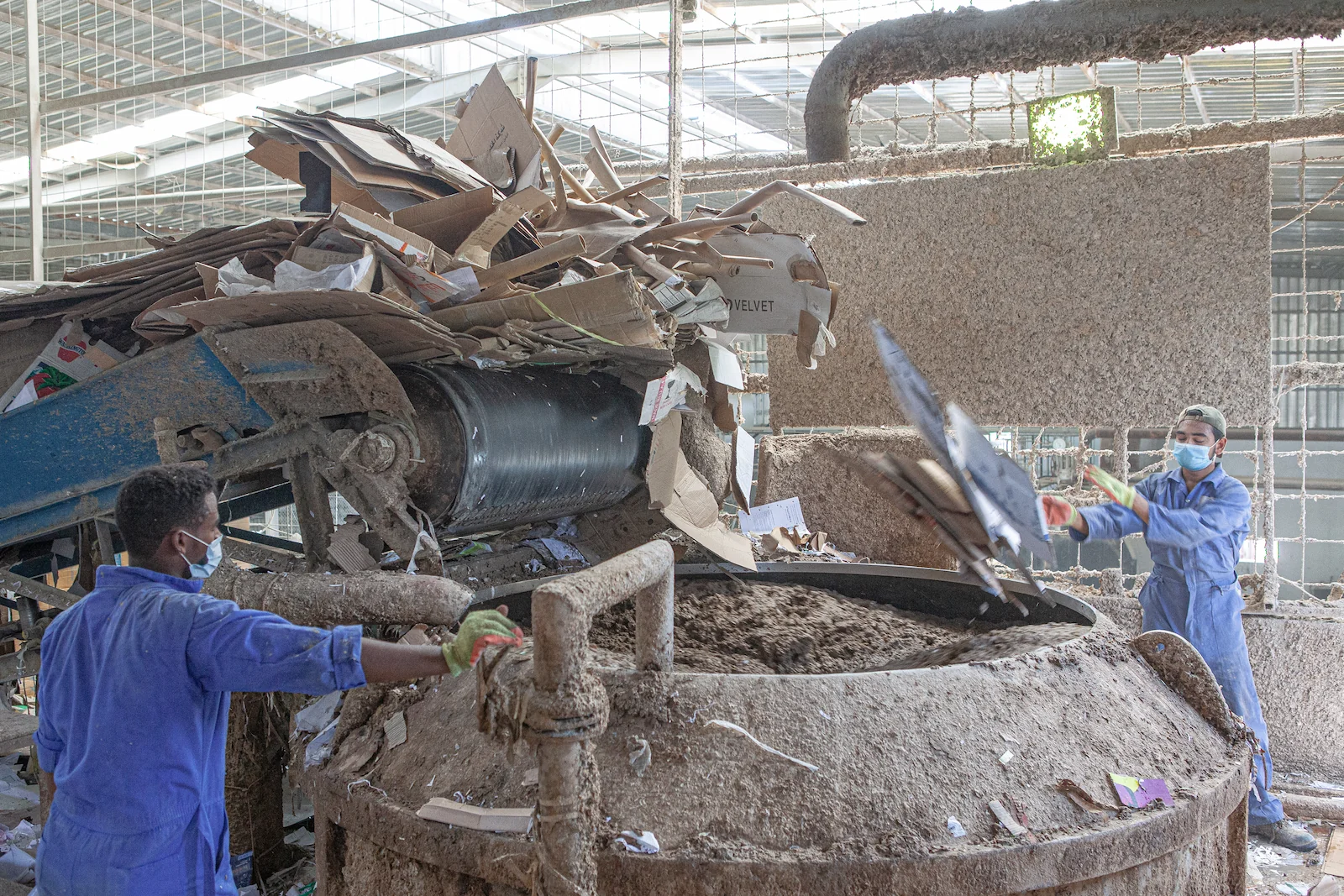
For each carton boxes and paper sheet produced from recovered material, another is still made from virgin pulp as paper-based products can be recycled only a finite number of times.

Qatar dispatch: Recycling fibres until they fail

For each carton boxes and paper sheet produced from recovered material, another is still made from virgin pulp as paper-based products can be recycled only a finite....
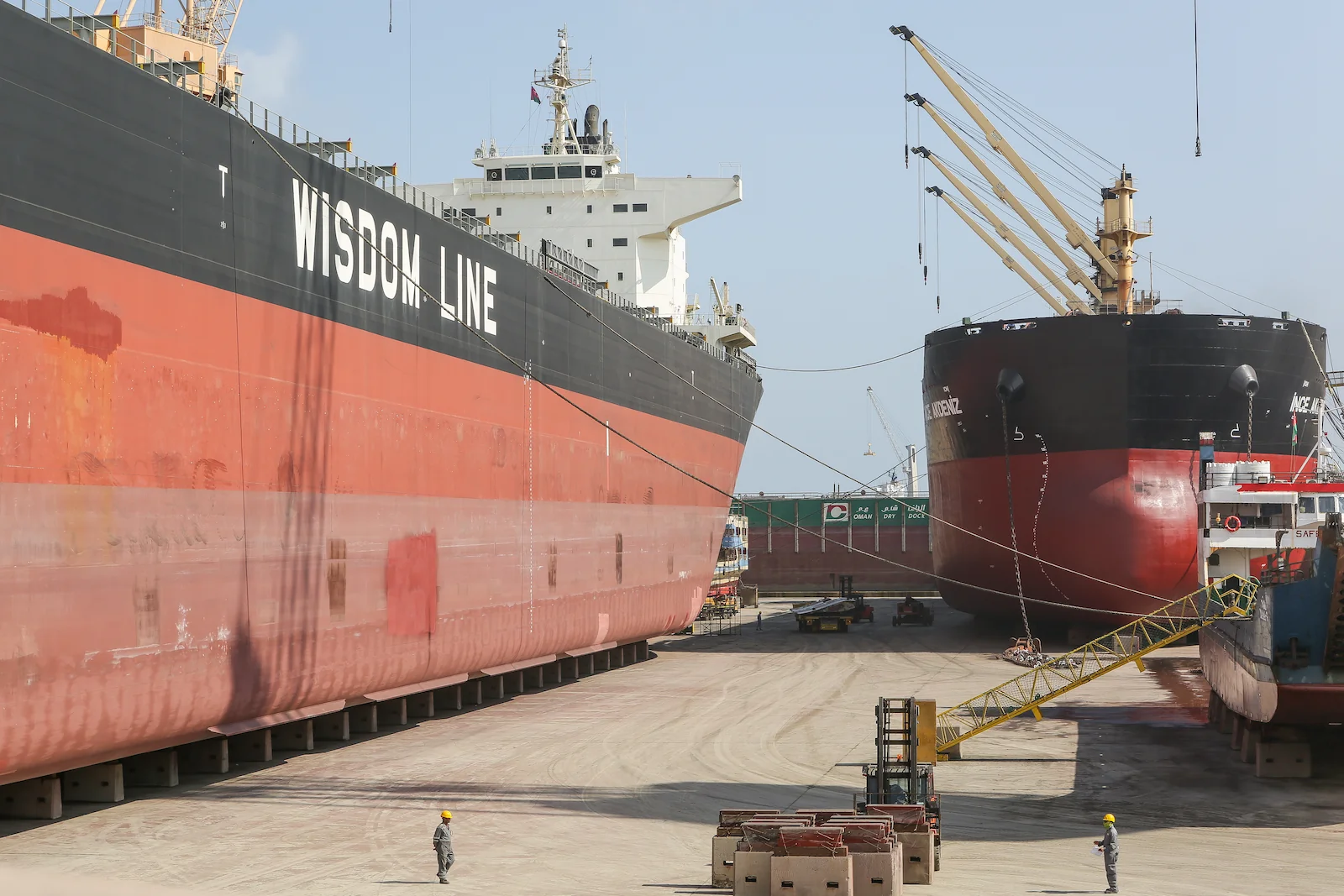
Ship paint incorporate chemical additives that are gradually released into the water to limit marine organisms attaching to the hull. Merchant fleets are also a source of microplastic pollution.

Oman dispatch: The toxic trail of hull coatings

Ship paint incorporate chemical additives that are gradually released into the water to limit marine organisms attaching to the hull. Merchant fleets are also a source of....
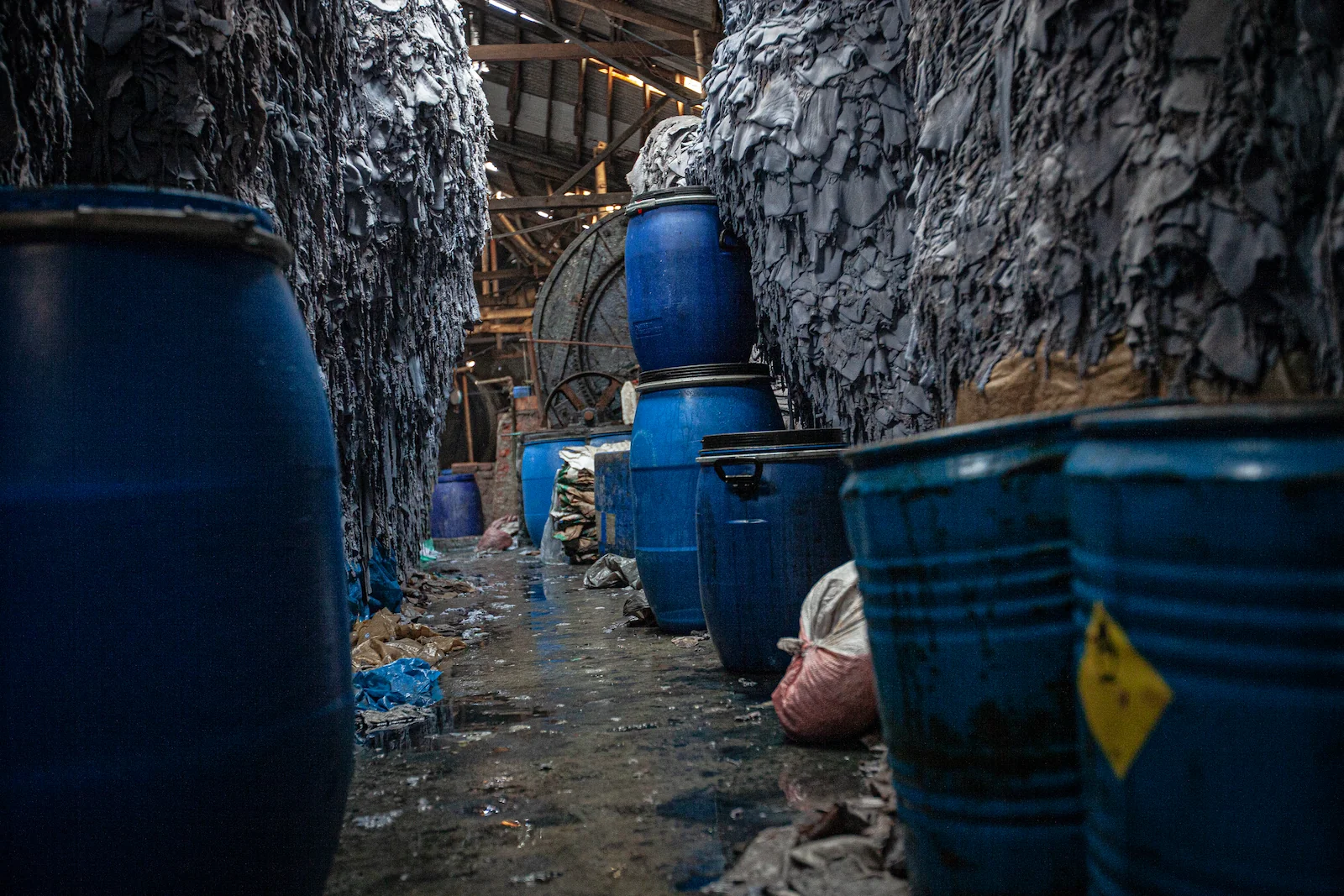
Following the Rana Plaza disaster, the clothing industry's environmental footprint remained unaddressed. Bangladeshi tanneries continue to release a cocktail of chemicals into waterways.

Bangladesh dispatch: Fast fashion’s toxic wastewater

Following the Rana Plaza disaster, the clothing industry's environmental footprint remained unaddressed. Bangladeshi tanneries continue to release a cocktail of chemicals into waterways.....